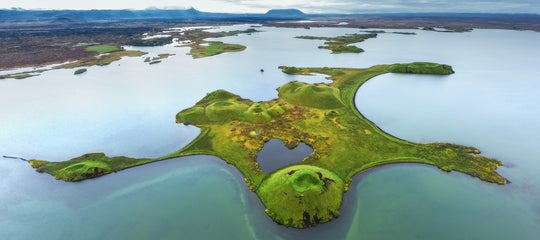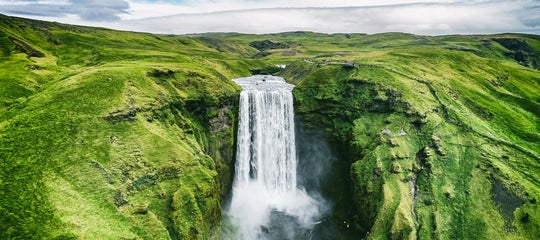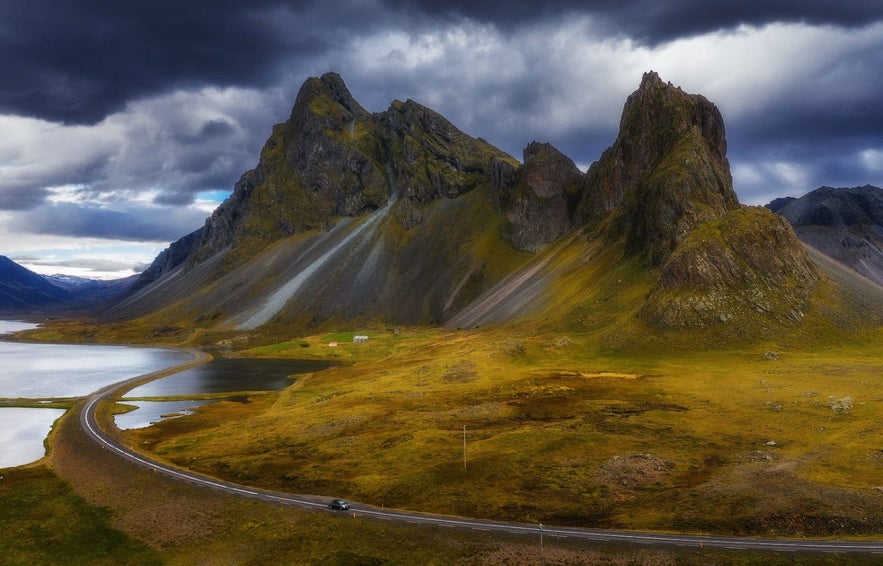
October in Iceland can be a wonderful time to visit, but it is important to be prepared for the unique challenges and opportunities that this month brings when it comes to driving.
With its stunning landscapes and vibrant fall colors, October offers a unique experience for travelers visiting Iceland. One of the main highlights of visiting Iceland in October is the chance to go on a northern lights tour to witness the breathtaking phenomenon as the nights grow longer.
Why You Can Trust Our Content
Guide to Iceland is the most trusted travel platform in Iceland, helping millions of visitors each year. All our content is written and reviewed by local experts who are deeply familiar with Iceland. You can count on us for accurate, up-to-date, and trustworthy travel advice.
Iceland has fewer crowds in October than in summer, which can make it easier to find hotels in Iceland and explore popular sights with less traffic. Renting a car or booking a self-drive tour is a good way to travel between attractions along the Ring Road.
October also sits in the middle of the year for self-drive costs. Our study of self-drive tour prices by month found a median price of 25,539 ISK per person per day, ranking October seventh out of 12 months.
However, it is crucial to be aware that October in Iceland also marks the start of the winter season, which brings challenges such as colder temperatures and unpredictable weather conditions. If you're going to be driving in Iceland in October, it's important to be prepared. Let's get into the nitty gritty about everything you need to know about driving in Iceland in October.
- Learn more about Visiting Iceland in October
- Check out our Ultimate Guide to Iceland in Fall


Weather in Iceland in October
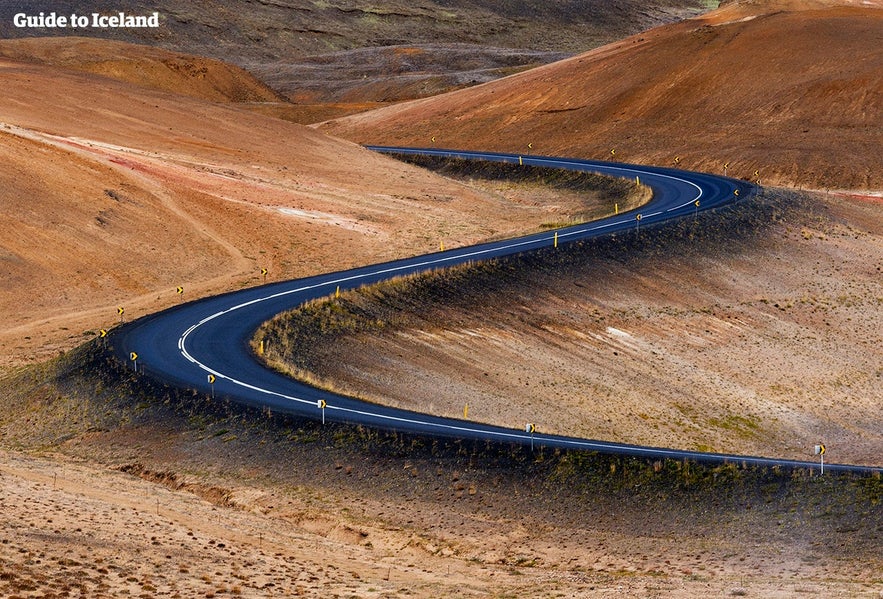
If you are planning a trip to Iceland in October, it is important to be prepared for the weather conditions you may encounter. October marks the transition from autumn to winter in Iceland, and the weather can be quite unpredictable. Here is what you can expect in terms of temperature, precipitation, daylight hours, and other factors:
-
Temperature: In October, the average temperature in Iceland ranges from 36°F to 45°F (2°C to 7°C). However, it is important to note that temperatures can vary greatly, and temperatures below freezing are quite common.
-
Precipitation: Iceland is known for its ever-changing weather, and October is no exception. Rain is quite common during this month, so make sure to pack waterproof clothing and gear. Snowfall is also possible, especially towards the end of October, so be prepared for potentially slippery road conditions.
-
Daylight Hours: October in Iceland offers fewer daylight hours compared to the summer months. At the beginning of the month, you can expect around 10-11 hours of daylight, with the days gradually becoming shorter as the month progresses. By the end of October, you might only have about 7-8 hours of daylight, so plan your activities accordingly.
-
Wind: Wind is a common feature of Icelandic weather, and October is no exception. Be prepared for strong gusts, especially if you are traveling along the coastal areas. Make sure to secure any loose items and drive with caution, as the wind can affect your vehicle's stability.
Despite the challenging weather conditions, October in Iceland also offers unique experiences, such as the possibility of seeing the northern lights and the beautiful autumn colors. Just make sure to plan your trip well, stay informed about weather forecasts, and be prepared for changing conditions. With the right precautions, you can have a memorable and safe driving adventure in Iceland in October.
Driving in Iceland in October
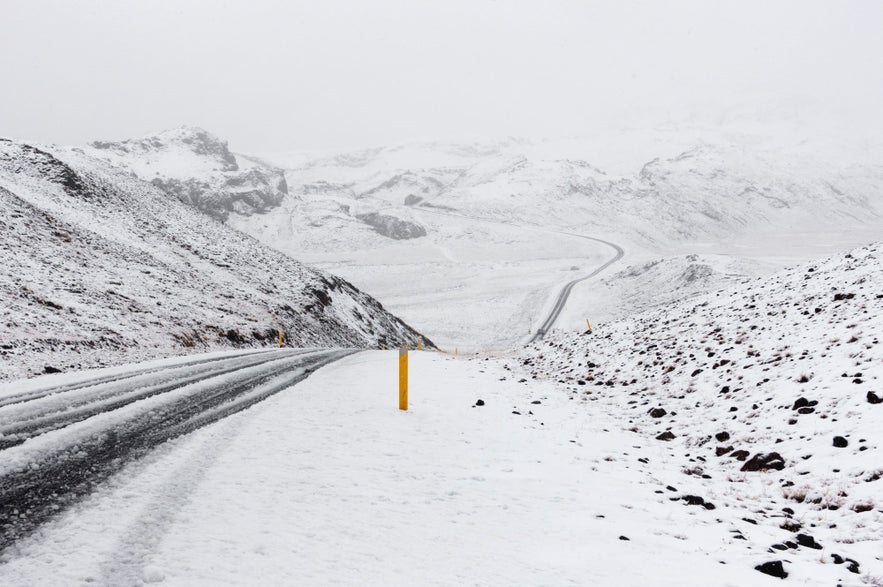
Driving in Iceland in October requires careful attention to road conditions. As the weather becomes colder, icy and snowy roads become more common, especially in rural areas. It is advisable to rent a 4x4 vehicle equipped for winter driving or consider joining guided tours of Iceland with experienced drivers. A 4x4 will also provide better traction and stability on gravel roads and in inclement weather.
While Icelandic roads are well maintained, sudden weather changes can create unforeseen obstacles, especially in rural areas. During heavy snowfall, roads might become difficult to traverse, and sometimes they will be closed altogether. Before setting off, check the Icelandic weather forecast and look up the local road conditions. F-roads, also known as highland roads, are only open during the summer months and are therefore inaccessible in October.
- See also: Driving in Iceland: The Ultimate Guide to Road Trips
- See also: F-Roads in Iceland: A Guide to Icelandic Mountain Roads
Adjust Your Speed and Take Breaks
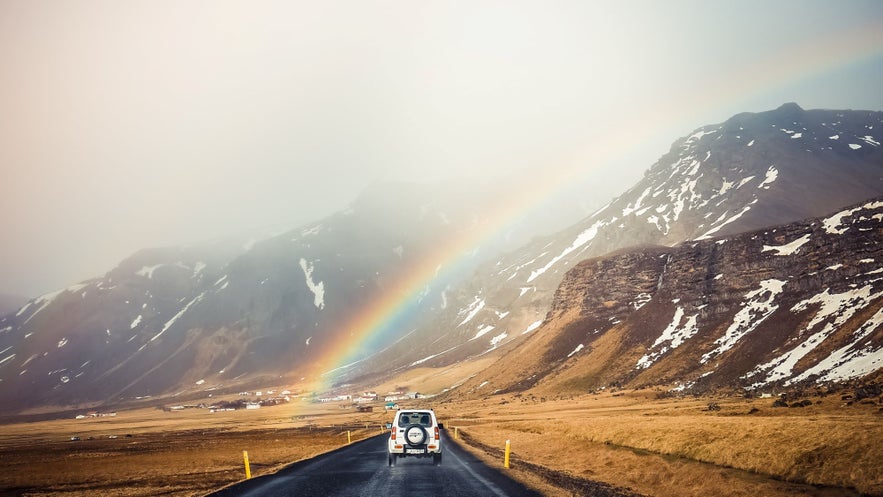
It's crucial to adjust your driving speed to the road and weather conditions. In October, roads might be wet, icy, or covered in leaves, making them more slippery. Additionally, daylight hours are limited, so reducing your speed allows you to have better control and react to unexpected situations, such as encountering wildlife or sudden weather changes.
Driving in Iceland offers breathtaking scenery at every turn, so allow yourself time for stops and breaks. Not only will this give you a chance to stretch your legs and take in the natural wonders, but it also helps prevent fatigue, which can be a significant factor when driving in unfamiliar and challenging conditions.
Remember not to stop your car on the side of the road, even if you see something spectacular up ahead that you want to photograph. There are plenty of designated parking areas and sites for stopping, often placed close to the country's natural wonders, so make use of them instead. Off-road driving is illegal in Iceland and can garner heavy fines.
Days Are Shorter
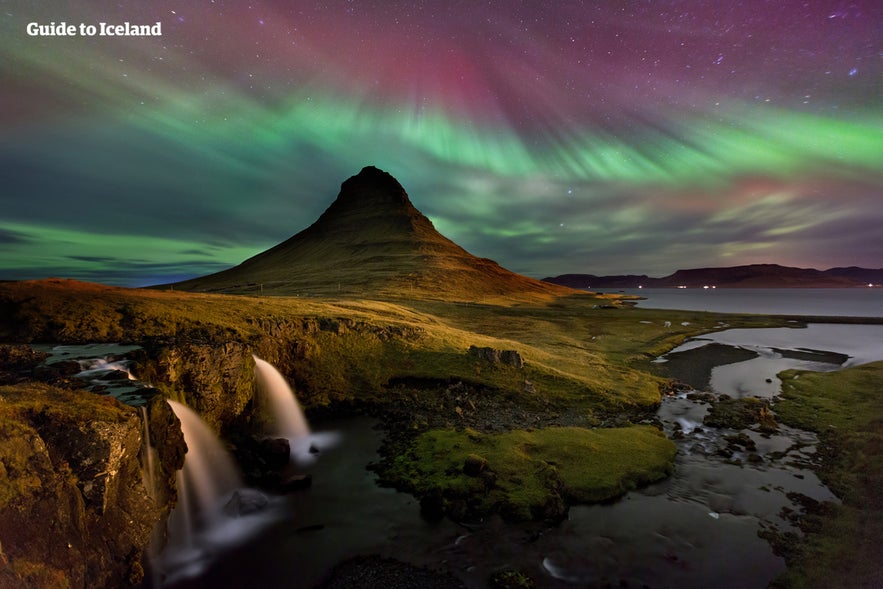
During October, Iceland experiences a decrease in daylight hours. At the beginning of October, Reykjavik, the capital city, experiences about 11 to 12 hours of daylight. By the end of the month, this decreases to around 8 hours. The change is gradual but noticeable as the month progresses.
Remember to factor in these shorter days when planning your itinerary. Our study on how many days you need in Iceland turns that into numbers. A Reykjavik-based trip works best at six days. The Ring Road takes seven to eight days in either season. Once you add the Snaefellsnes Peninsula and a day in Reykjavik, a full Ring Road trip takes nine to ten days.
Be Ready For Anything
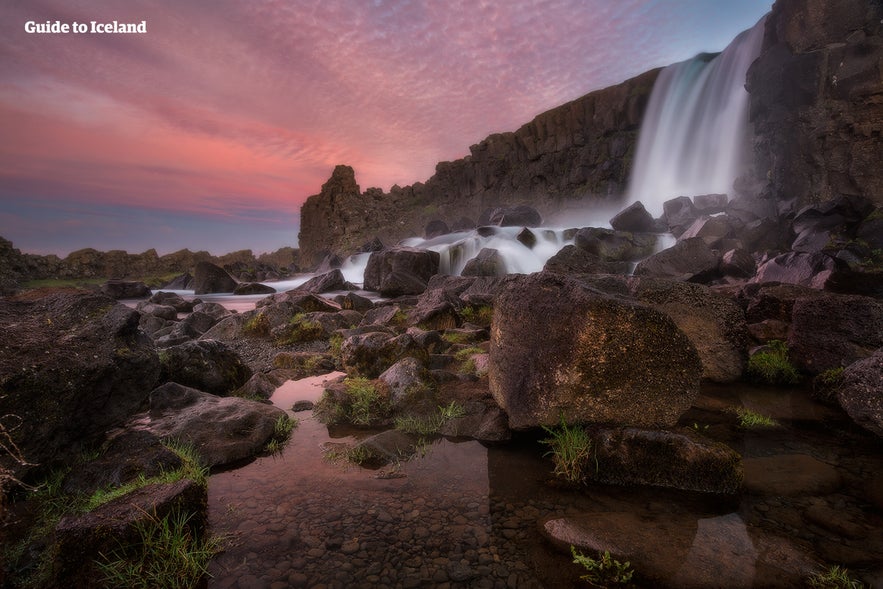
When traveling in rural Iceland, keep your eye on the fuel gauge, as gas stations can be few and far between, especially outside towns and along quieter stretches of the Ring Road.
You’ll often come across roadside service stops, but it’s still a good idea to refuel regularly rather than waiting until the tank runs low. Make sure that you keep an emergency kit in your car with items such as a first-aid kit, warm blankets, snacks, water, and a flashlight.
In case of an emergency, dial 112, Iceland's emergency number. It's also good to submit a travel plan on the SafeTravel website. Remember to inform your rental company of any incidents or accidents.
Best Type of Car for Driving in Iceland in October
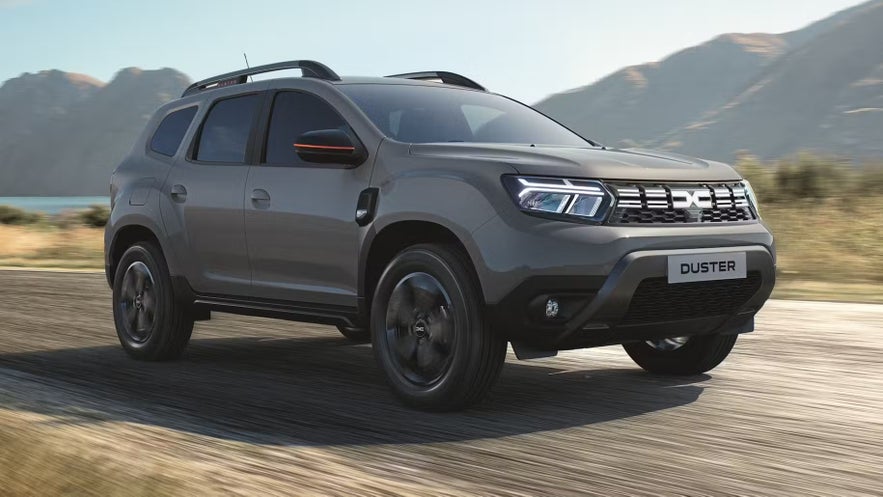
If you're planning on sticking to main roads, such as the ones in the city and the Ring Road, a standard vehicle is generally sufficient when driving in Iceland in October. There are plenty of options available depending on what you're looking for, whether it be finding a budget rental option or renting a luxury car.
If you plan on taking on some of the more rural areas, which may include gravel roads, or if you just want peace of mind in the case of snowy conditions, renting a four-wheel drive is recommended. You could also rent a camper van which can allow you to turn your transportation into your accommodation when exploring the country.
In summary, choosing the perfect vehicle for your road trip in Iceland depends heavily on your itinerary and which parts of the country you're going to visit. If you're in any doubt, it's always best to consult your car rental.
- Learn about the Top 10 Car Rental Companies in Iceland


10月在冰岛开车需要换冬季轮胎吗?
10月在冰岛自驾需要特殊车型吗?
10月冰岛的道路维护情况好吗?
10月可以开车去冰岛高地吗?
That should cover everything you need to know about driving in Iceland in October. Do you have any unanswered questions or thoughts? Let us know in the comments below!

Hi, I’m Arnar Tómas, a storyteller with a background in journalism and content creation. I’ve worked with top Icelandic media and travel organizations, and I’m into fantasy football, pro wrestling, and travel.